Corrective Lens
Liverpool’s waterfront and the River Mersey at golden hour, 2003–2004.
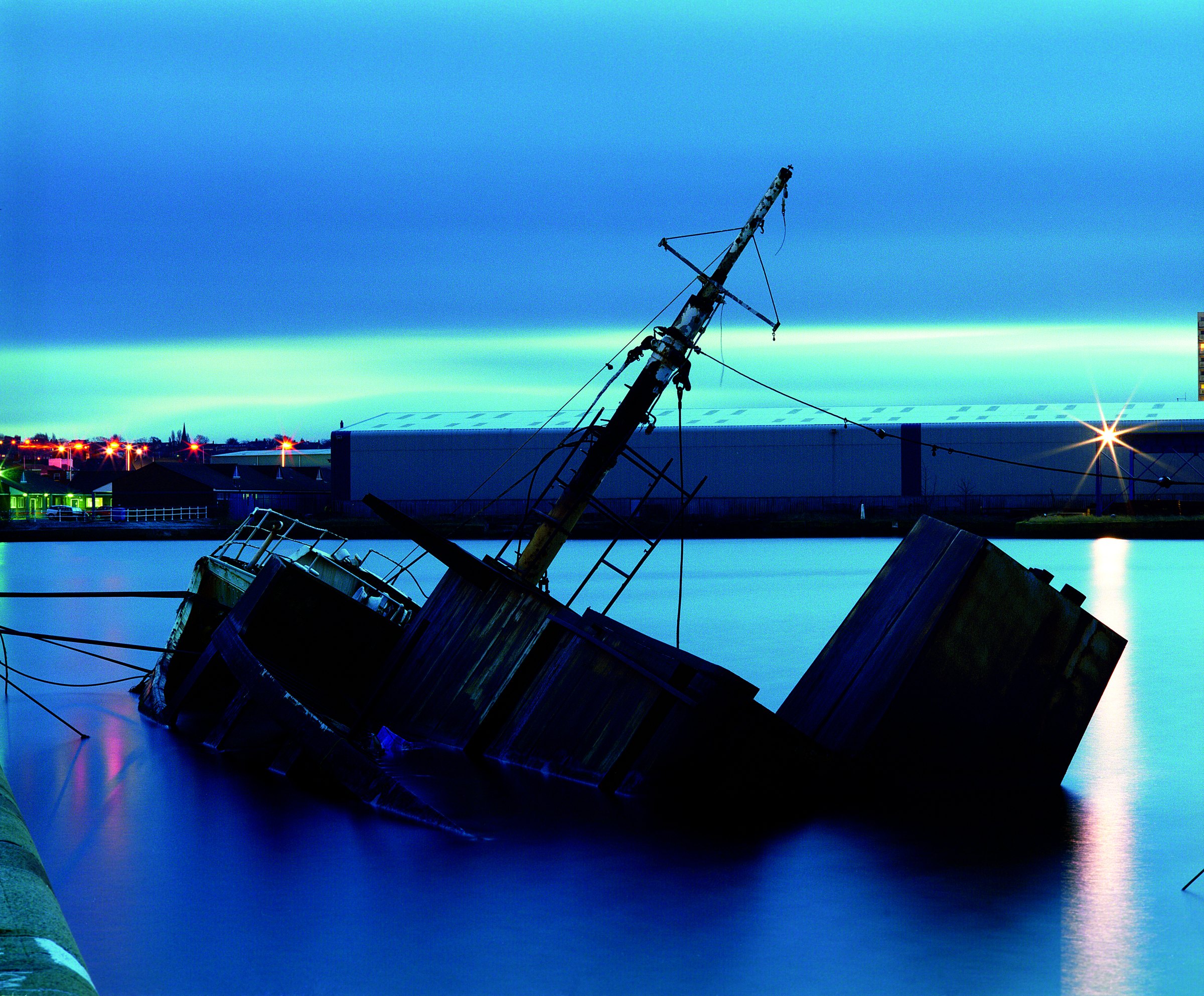
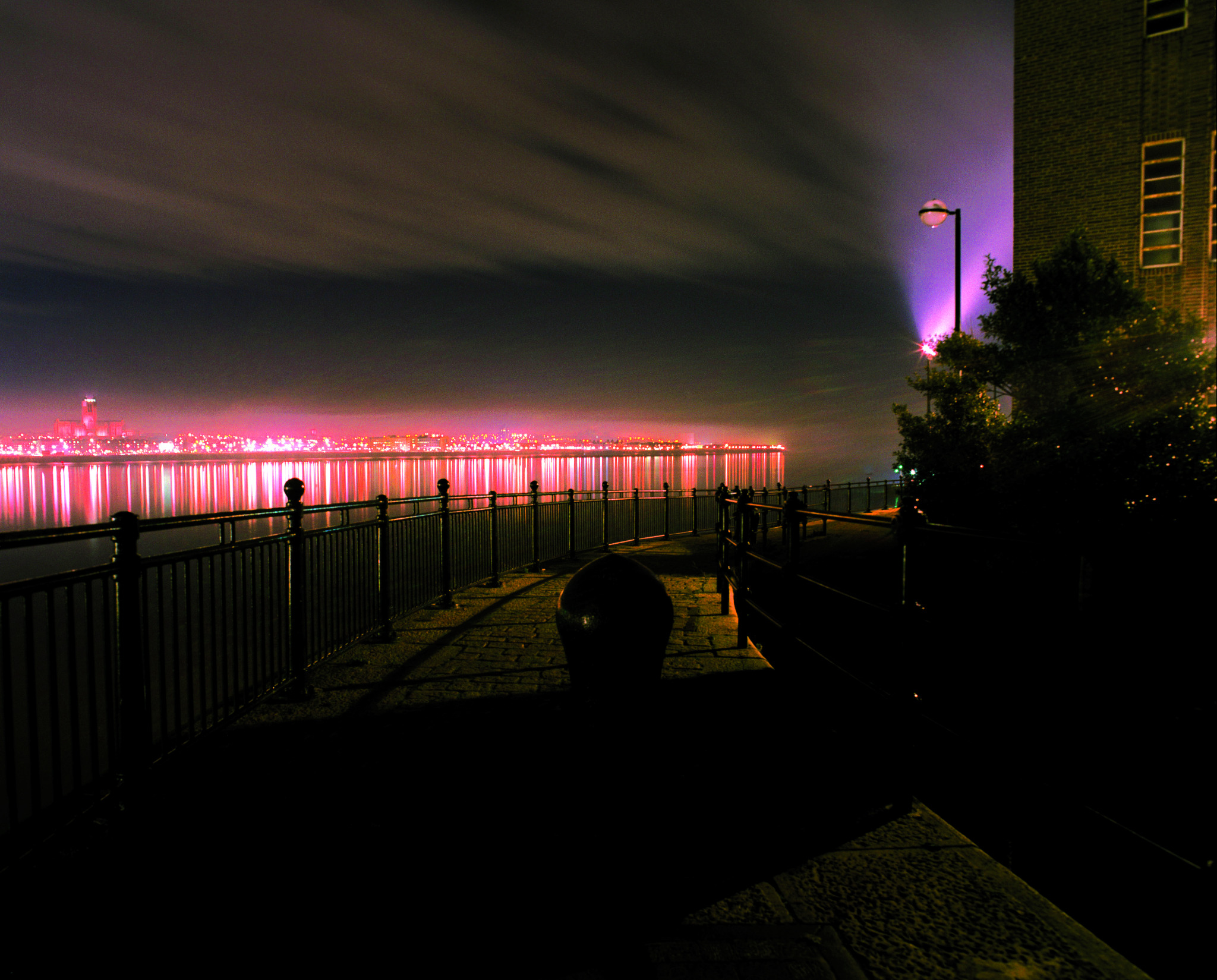
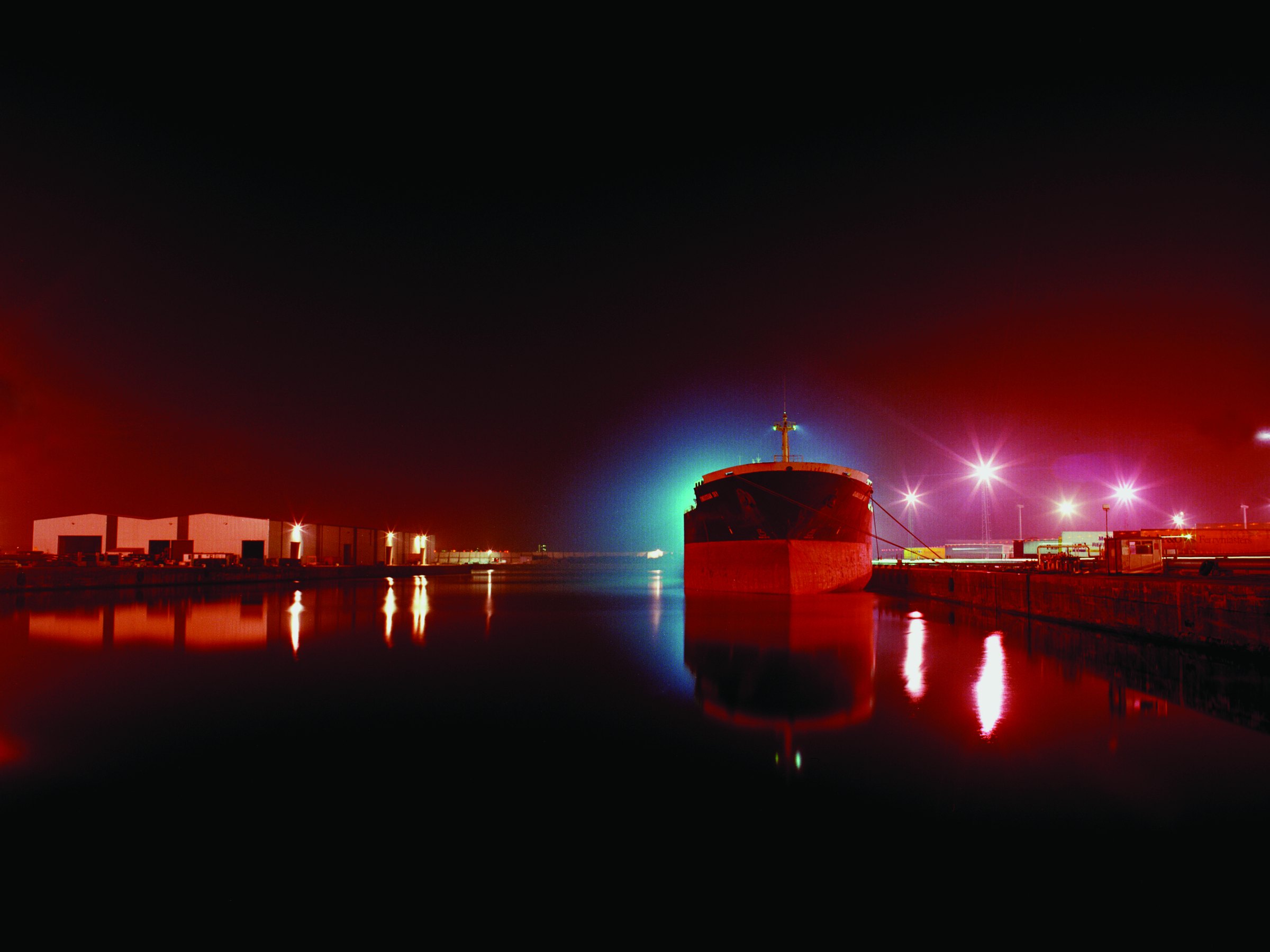
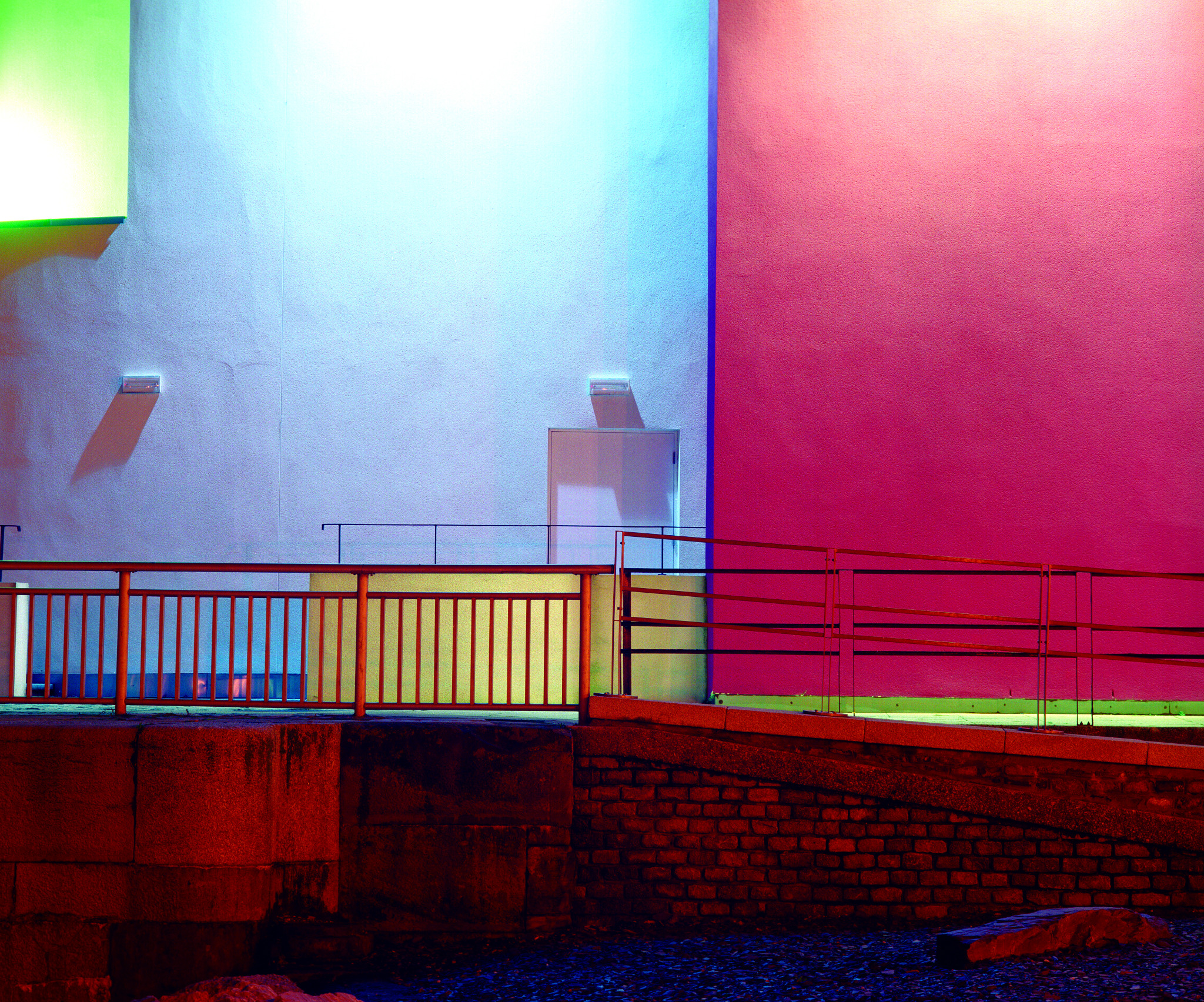
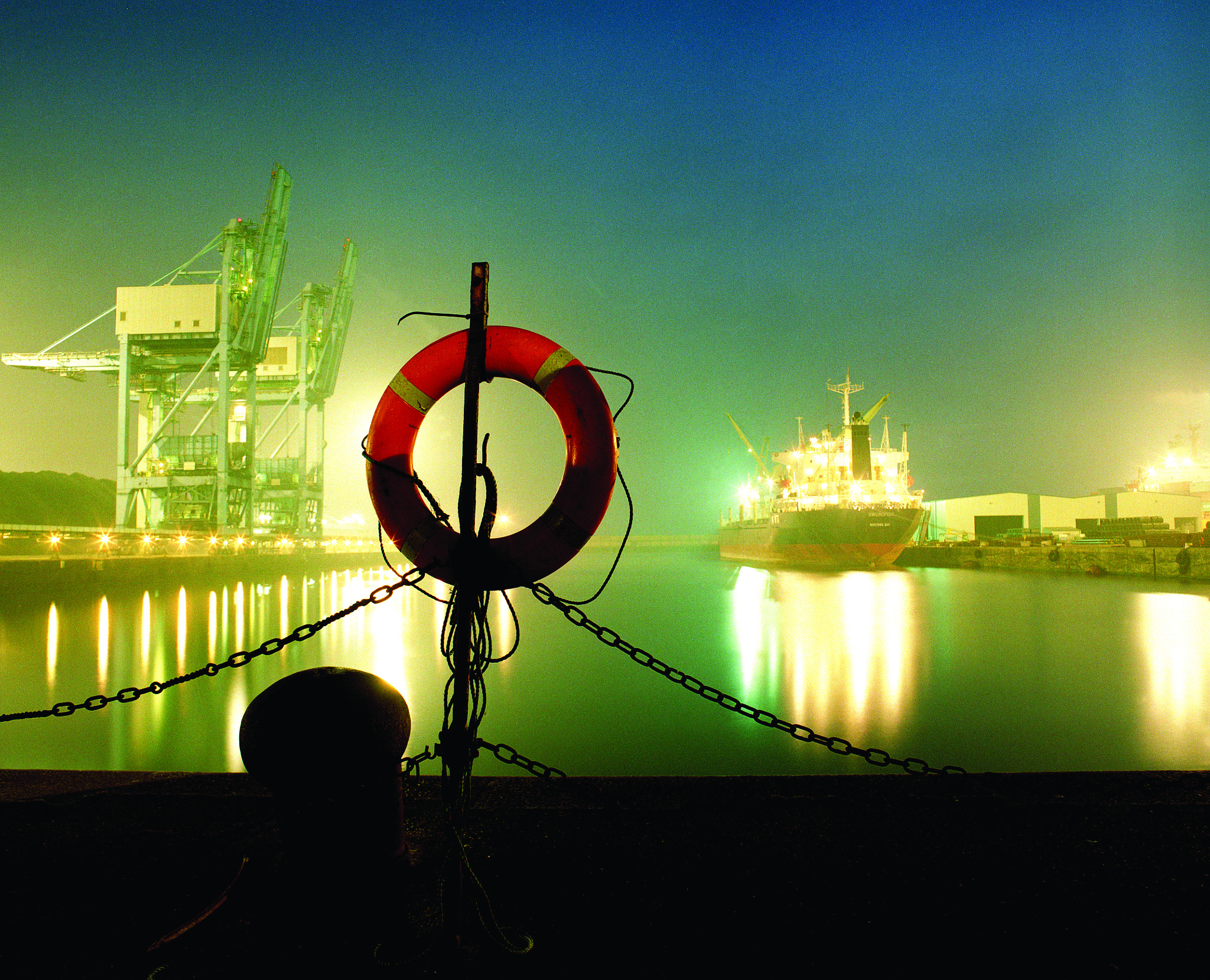
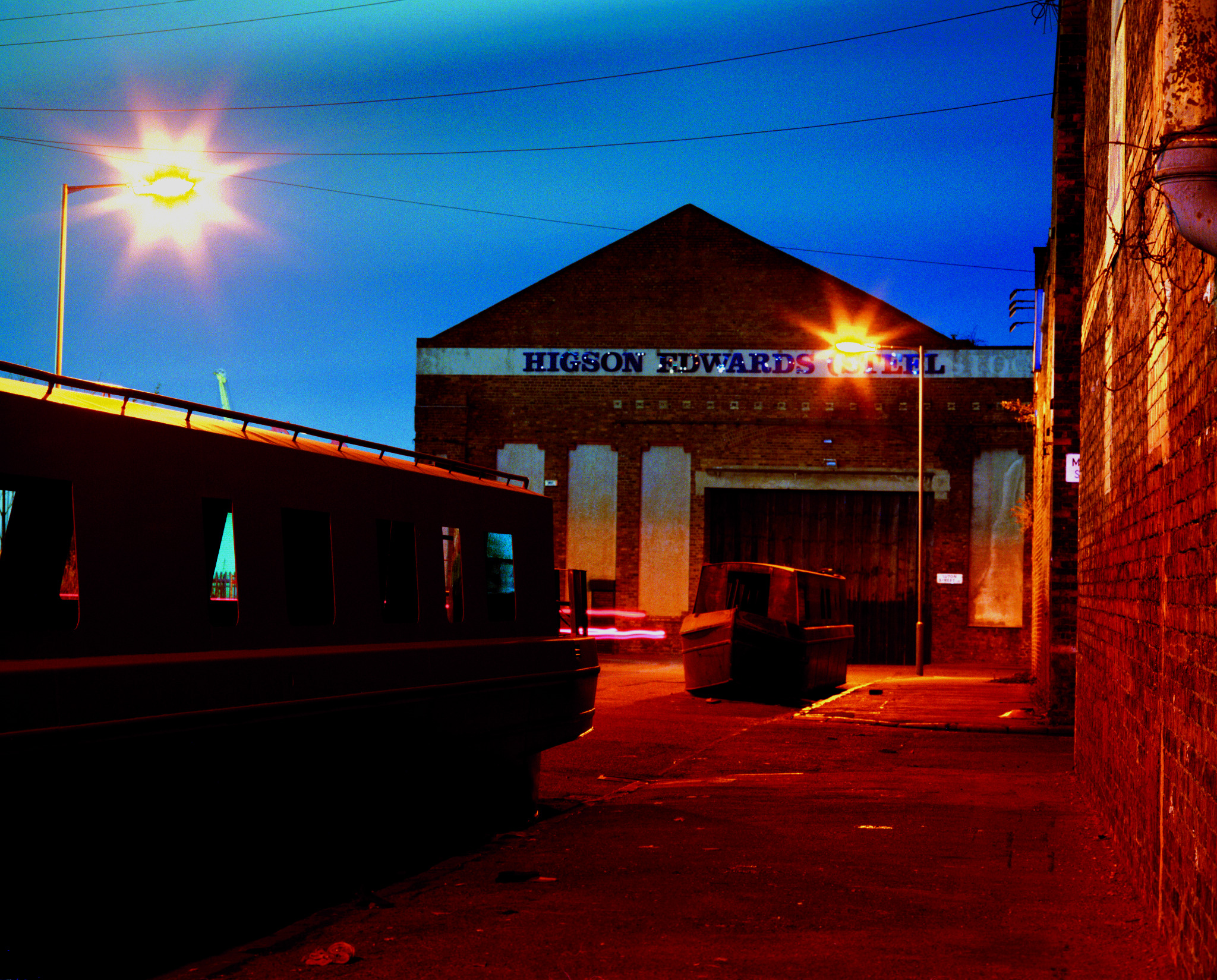
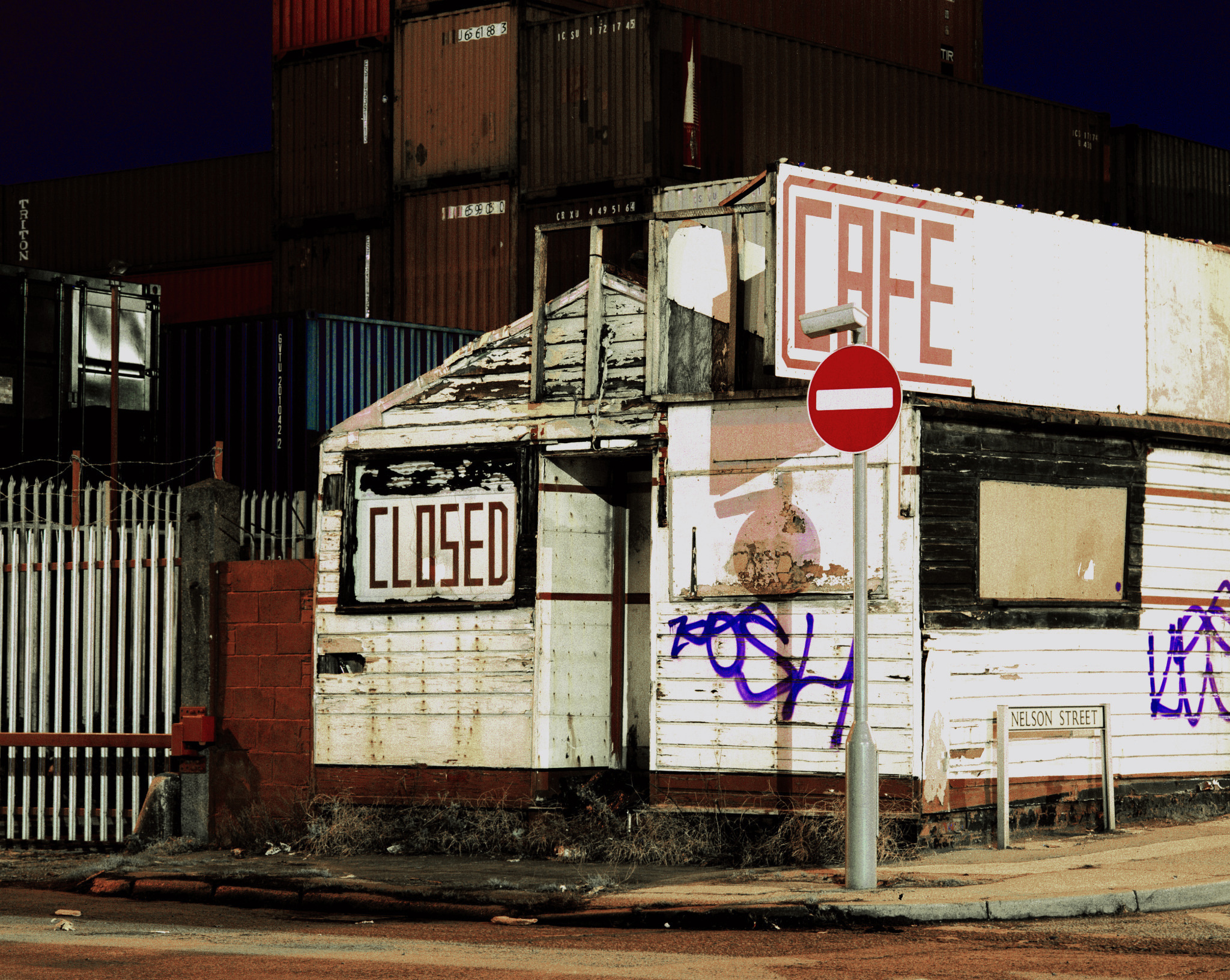
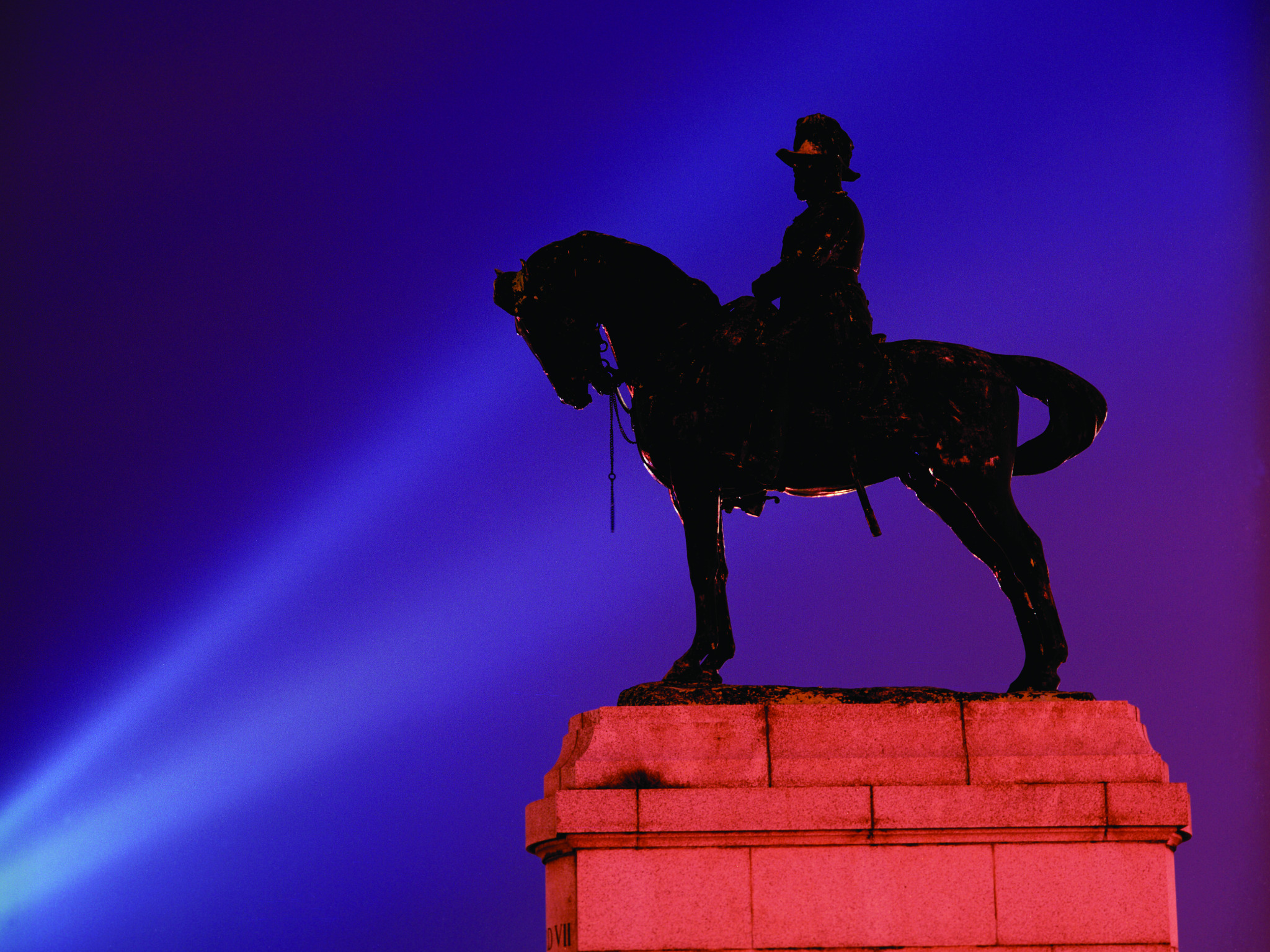
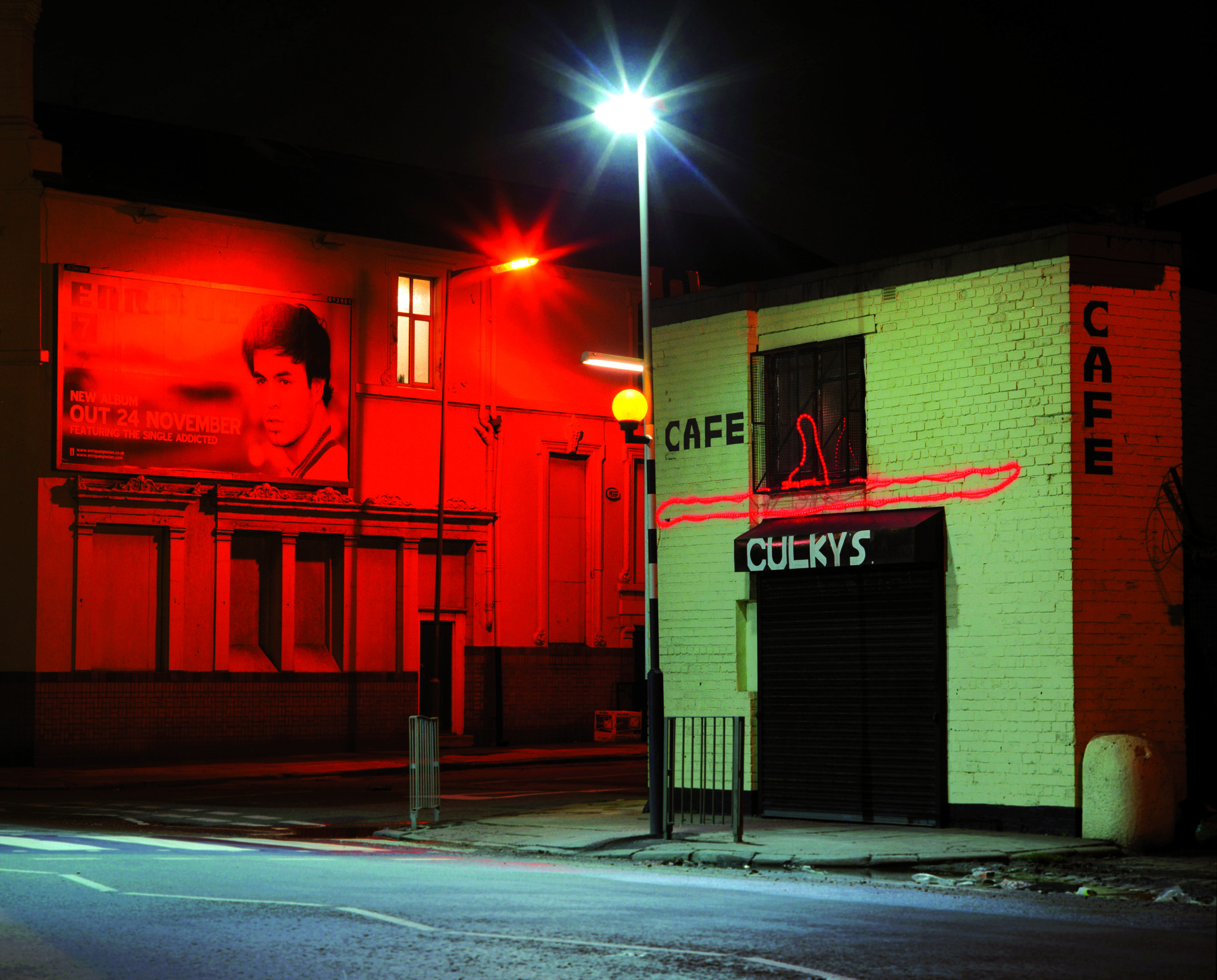
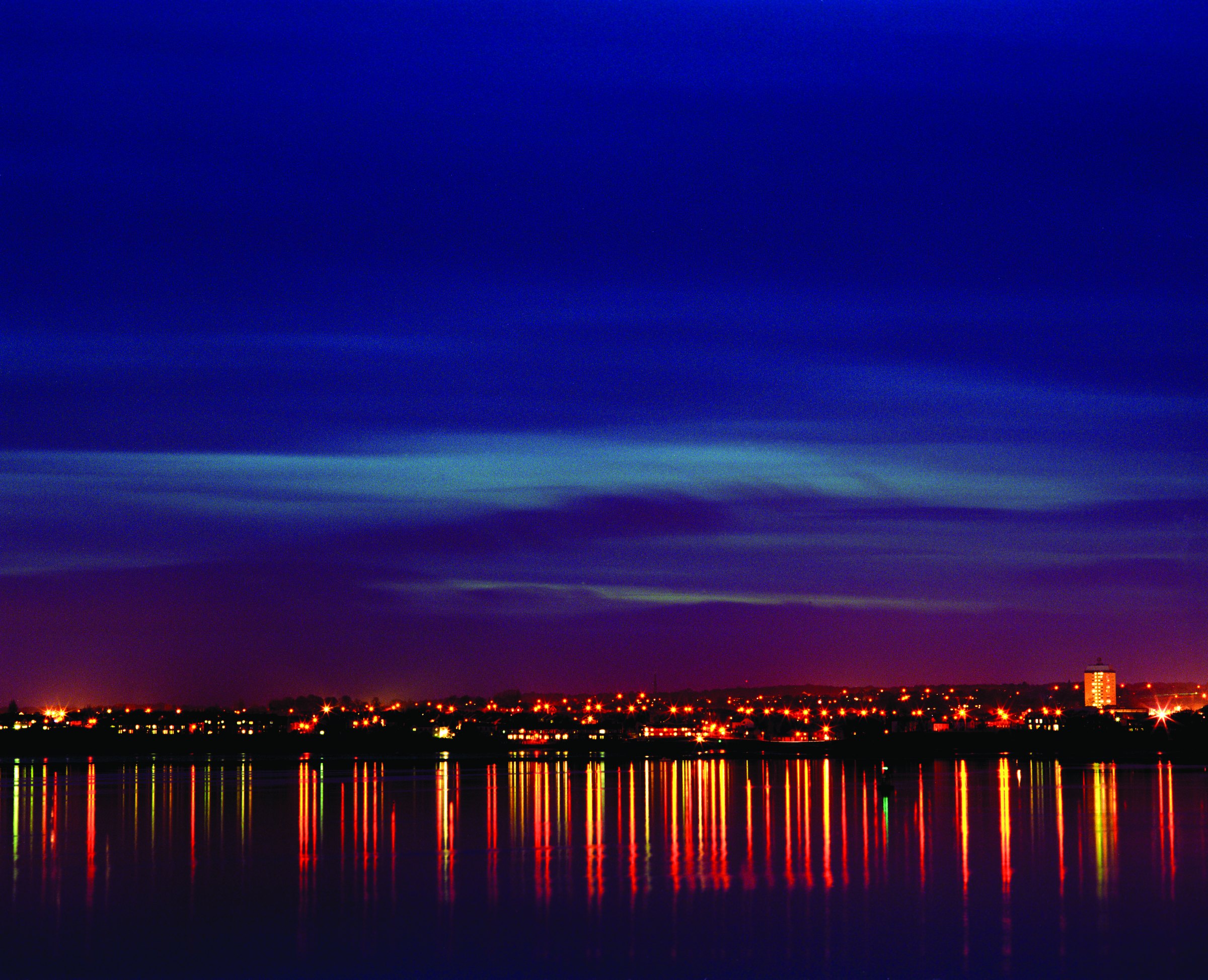
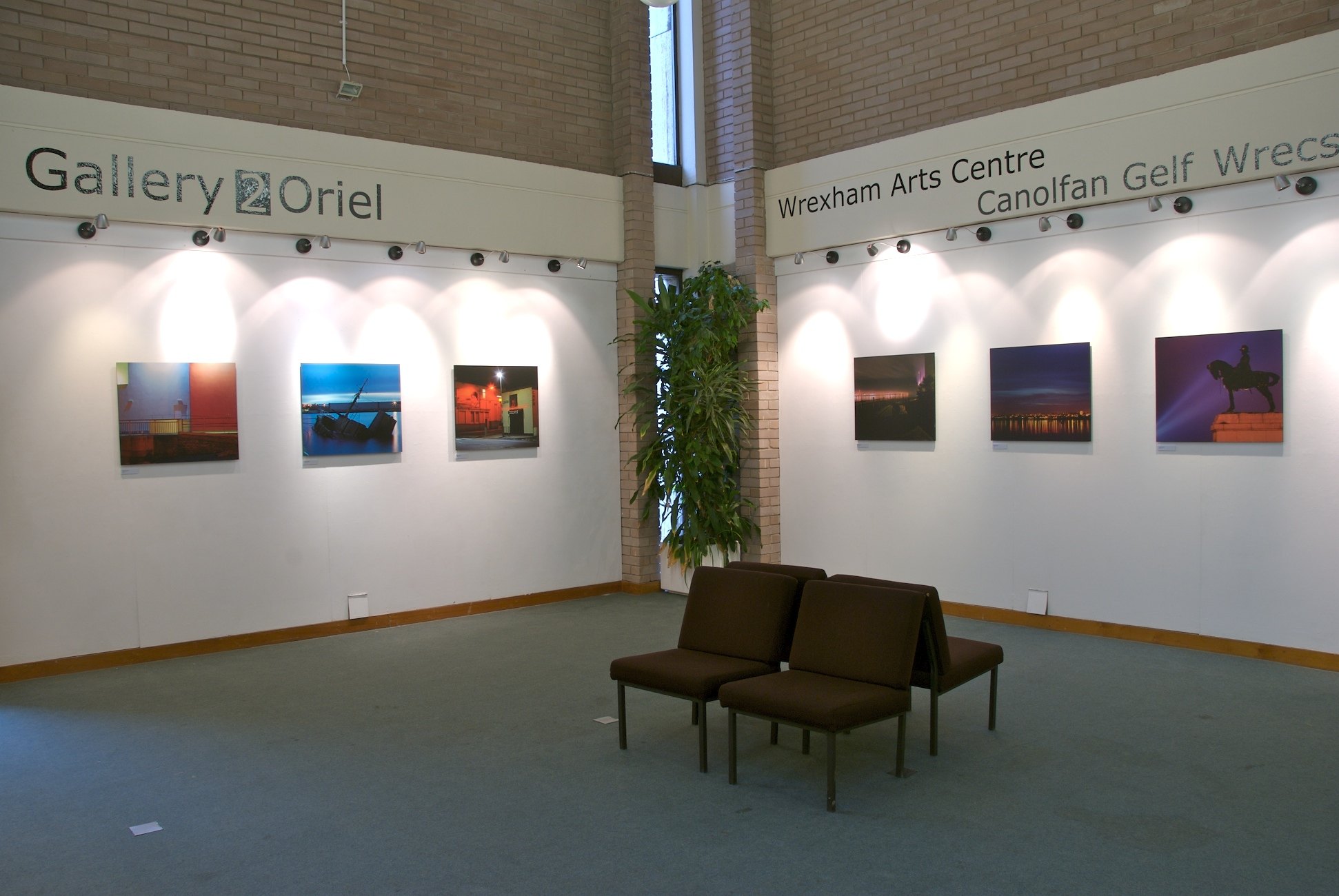
In Corrective Lens, Rob Meighen returned to Liverpool to look at it as a port city: a place built on trade and commerce, and on its connections to the rest of the world. That history is written into the docks, quays, warehouses and ships of the Mersey, but by the early 2000s much of the industrial waterfront was run down, its prosperity long gone.
Containerisation changed the port’s relationship with its city. From the late 1960s, cargo that had been handled by thousands of dockers began to move in sealed steel boxes lifted by crane. In 1968 Liverpool had more than 12,000 registered dock workers; by the end of 1981 nearly 8,000 had taken severance. The new container berths at Seaforth, at the mouth of the river, replaced the older docks rather than adding to them. Today the Port of Liverpool handles more than 30 million tonnes of freight a year through increasingly automated terminals. The port is as busy as ever; it simply needs far fewer people.
Meighen brought to it the methods he had developed in Urban Utopia, working on Mamiya 67 medium format cameras with ISO 100 Fuji film: long exposures, the reciprocity failure of the film stock, and the low, warm light of the golden hour. The photographs were hand-printed as C-type prints. Under that light, the neglected heritage of a once-prosperous port is transformed into something beautiful. The title describes the approach: a corrective lens applied to the history and psychogeography of the waterfront, changing how a place written off as decline can be seen.
The work was made just as the historic waterfront was being recognised. In 2004 UNESCO inscribed Liverpool – Maritime Mercantile City on the World Heritage List as one of the world’s major trading centres of the eighteenth and nineteenth centuries. In 2021, after years of redevelopment along the waterfront, the committee deleted it from the list, making it one of only three sites ever to lose the status.
Seen now, the empty quays carry another meaning. Containerisation made the port more productive while removing most of the people who worked in it, and the same promise is being made today of automation and artificial intelligence. The photographs record what that kind of progress leaves behind.
Sources
- Registered dock workers, 1968 and 1972 — Hansard, 27 June 1972
- Ports (redundancies) — Hansard, 23 February 1982
- Seaforth container berth — Hansard, 24 November 1971
- Dock workers and the introduction of containerisation — LSE Business Review, 2017
- Port of Liverpool container terminals — Peel Ports
- World Heritage Committee deletes Liverpool – Maritime Mercantile City — UNESCO, 2021
- Liverpool loses Unesco world heritage status — The Art Newspaper, 2021
- Why Liverpool lost Unesco World Heritage status — Bloomberg, 2021